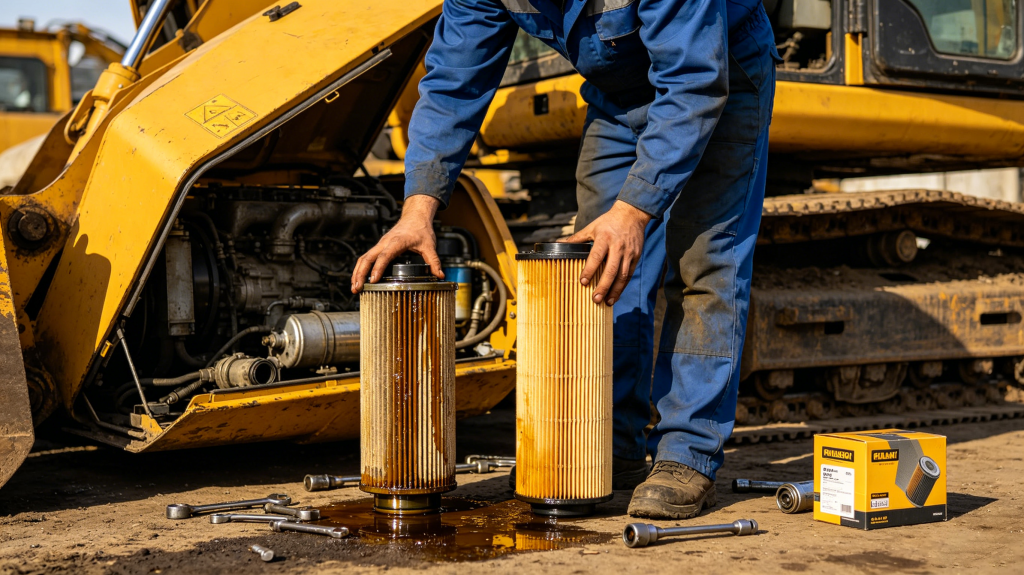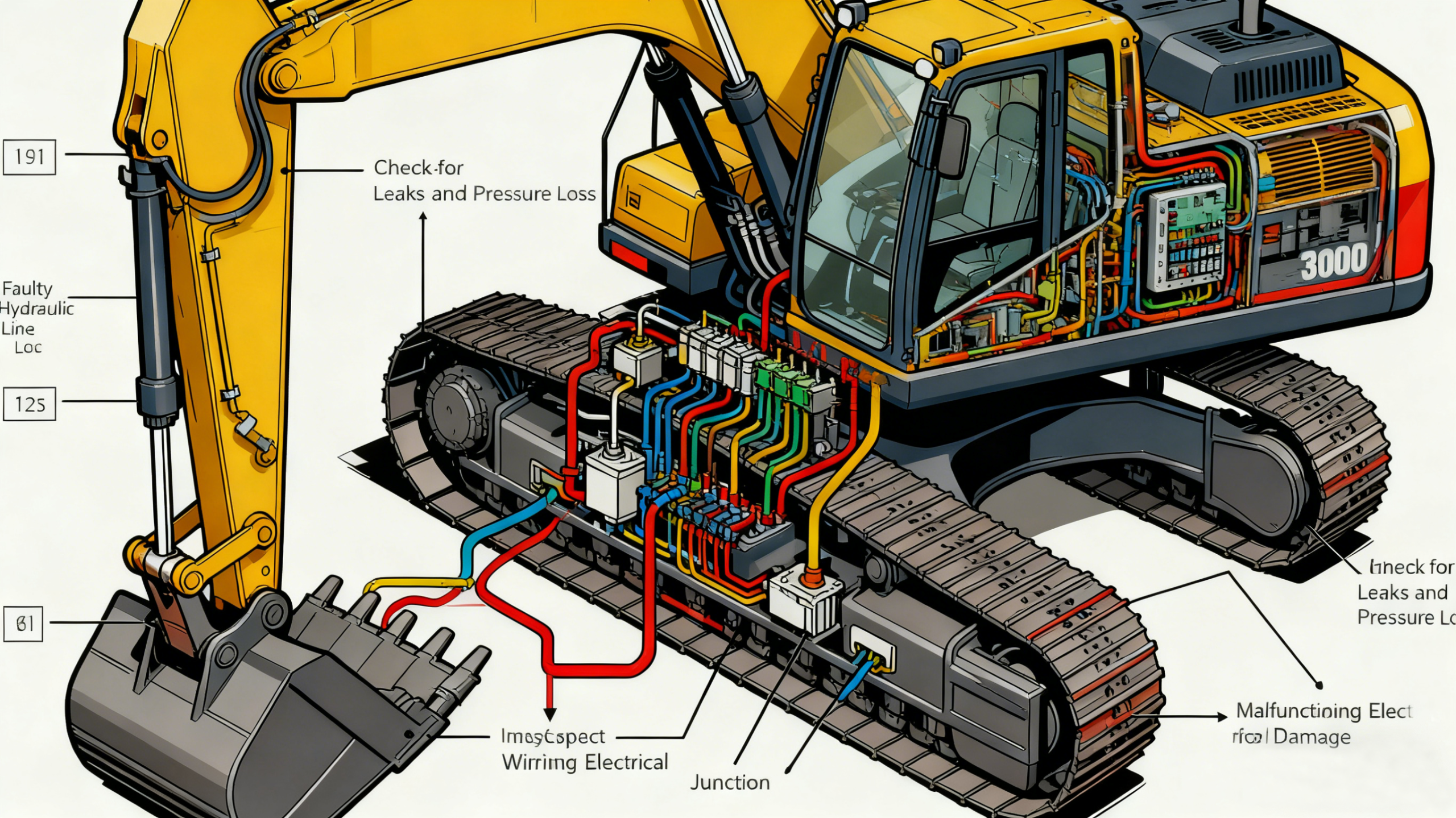
Improper filter replacement is the top hidden cause of construction equipment downtime, increased fuel consumption and hydraulic system wear. For heavy machinery maintenance and parts practitioners, distinguishing the service cycles of hydraulic oil filters and air filters by working scenarios is the core of standardized maintenance and cost control.
1. Air Filter: Engine Intake Protection
Core function: Blocks dust, sand and particulate impurities to prevent engine cylinder wear and power attenuation.
Standard Working Scenarios (urban construction, low-dust environments):
Replace every 500 working hours; conduct routine inspections every 200 hours to ensure unobstructed air intake.
Harsh Working Scenarios (mining, earthwork, high-dust & humid areas):
Dust clogging accelerates sharply. Inspect every 100 hours and shorten the replacement cycle to 200–250 hours to avoid engine suffocation and efficiency drop.
2. Hydraulic Oil Filter: Hydraulic System Cleaning
Core function: Filters metal wear debris, oil oxidation sediments and residual impurities in hydraulic oil to protect hydraulic pumps, valves and precision components.
Standard Working Scenarios (routine road construction, light-load operation):
Follow the mainstream OEM standard, replace every 500–1000 working hours or once every 6 months (whichever comes first).
Harsh Working Scenarios (long-term heavy-load, high-temperature, muddy operation):
Impurity generation surges and oil deterioration speeds up. The replacement cycle is shortened to 250–500 hours to prevent valve stuck, slow response and hydraulic system failure.
Key Differentiation & Maintenance Tips
- Different failure impacts: Clogged air filters mainly reduce engine power and raise fuel consumption; failed hydraulic oil filters directly cause hydraulic component abrasion and equipment functional failure.
- Scenario priority: Working environment severity overrides fixed hour cycles. Always shorten replacement intervals under high-dust, high-load and high-temperature conditions.
- Match genuine standards: Adopt high-precision filter elements matching OEM specifications to guarantee equipment stability and extend machinery service life.
Accurate cycle management reduces maintenance costs and maximizes equipment uptime. Reliable filter solutions create long-term value for global construction machinery fleets.