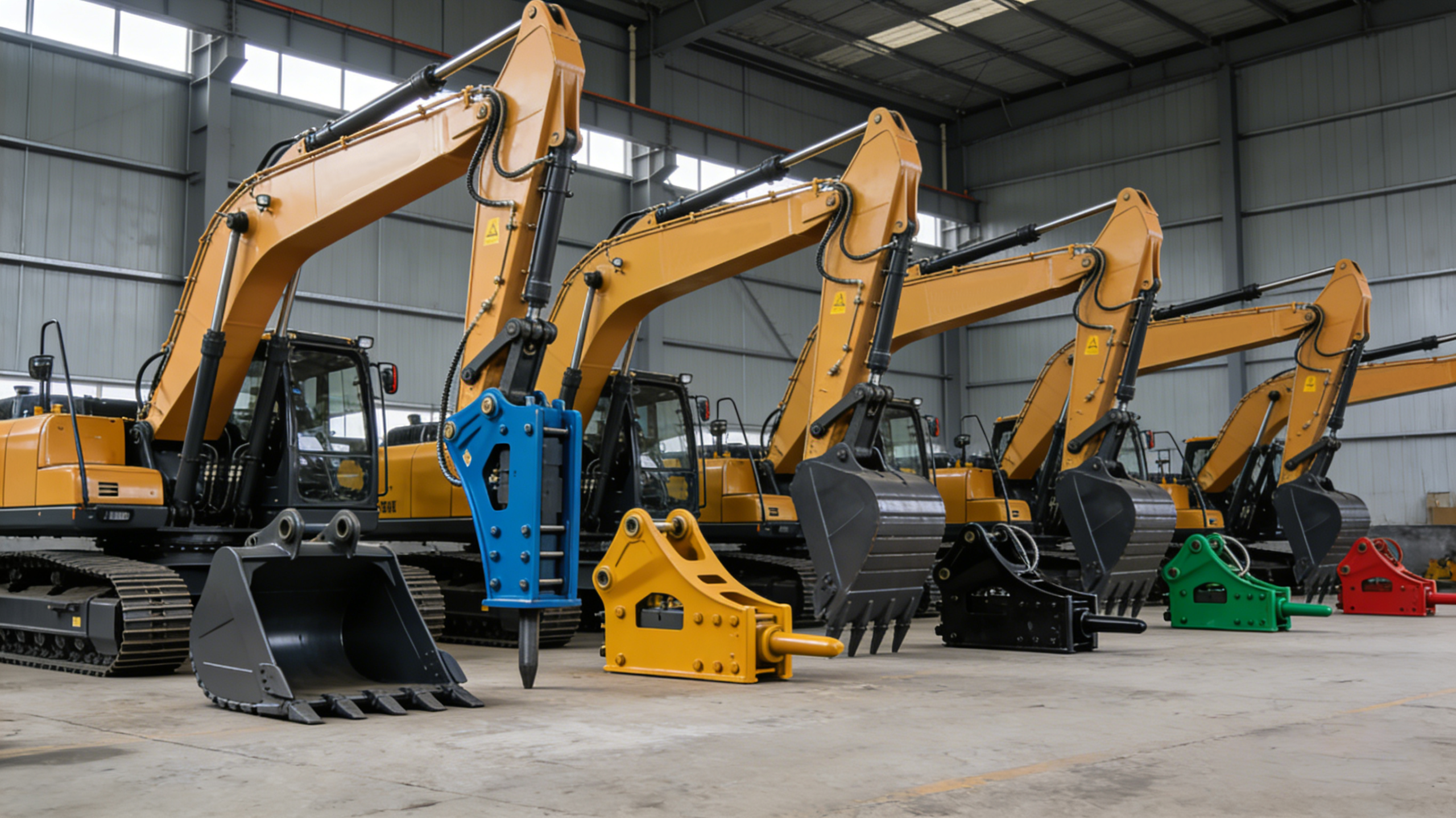
In the construction and mining industries, excavators are indispensable workhorses, and their efficiency and durability largely depend on the quality and compatibility of accessories. A common question that plagues equipment managers, maintenance personnel and operators is: Can excavator accessories be interchanged across different tonnages? Today, we will break down this core issue and sort out the key points of model matching to help you avoid detours and reduce costs.
First, let’s get straight to the point: Most excavator accessories are not interchangeable across different tonnages. Although some standard parts may seem similar in appearance, the differences in structural design, load-bearing capacity and performance parameters determined by the tonnage gap make random interchange risky. However, there are exceptions—some accessories of the same brand, same series or with universal design can be used across tonnages, but this requires strict verification of matching conditions.
Why can’t accessories of different tonnages be casually interchanged? The root cause lies in the functional positioning of excavators of different tonnages:
Small-tonnage excavators (1-12t) are mainly used for small-scale construction such as landscaping, utility work and small ditches. Their accessories are designed to be lightweight and compact, with lower load-bearing capacity and hydraulic pressure requirements. In contrast, medium and large-tonnage excavators (above 20t) are used for heavy-duty operations such as mining, large-scale earthwork and demolition. Their accessories need to be made of high-strength materials (such as 400HB steel and Leh Bor IT 5000 steel) to withstand greater impact and load. Using small-tonnage accessories on large-tonnage machines will lead to immediate damage, while large-tonnage accessories cannot be installed on small-tonnage machines due to size and weight restrictions.
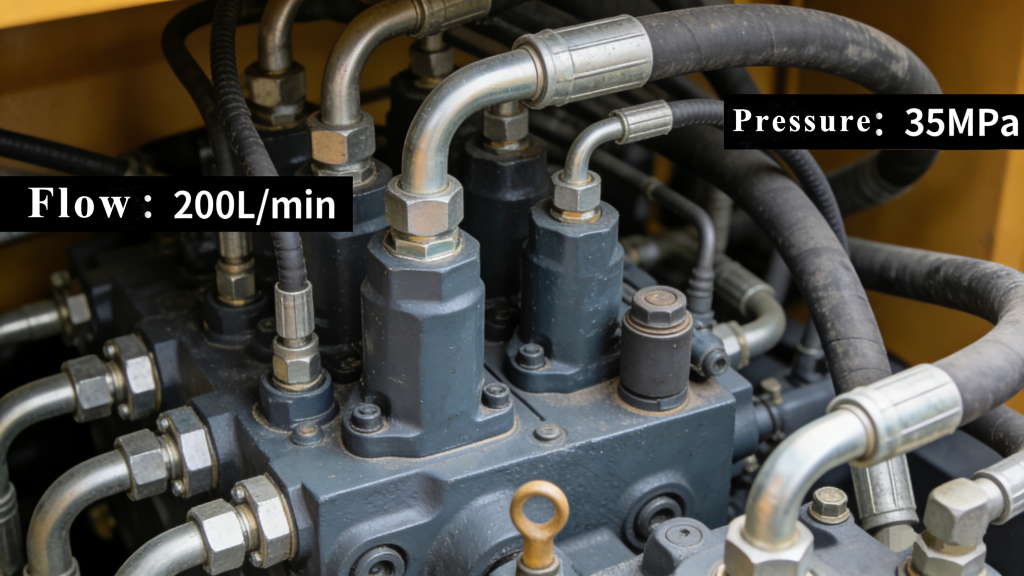
In addition, the hydraulic system parameters of excavators of different tonnages also vary greatly. High-flow hydraulic systems (exceeding 26 gallons per minute and 3,300 psi) are commonly used in large-tonnage machines, while small-tonnage machines mostly adopt standard-flow systems (about 22 gallons per minute). Mismatched hydraulic parameters will cause accessories to fail to work normally, or even damage the hydraulic pump and control valve.
For industry practitioners, mastering the key points of model matching is far more important than blindly pursuing interchangeability. Here are 5 core matching points that must be paid attention to:
1. Brand Consistency First: Different brands have their own independent design standards and production specifications. Even if the tonnages are the same, accessories of different brands may not be compatible. For example, Hyundai and Doosan (Develon) have a high degree of part interchangeability in the 20-30 ton class due to their strategic cooperation, while Volvo and Samsung’s old models (pre-2006) also have cross-compatibility in undercarriage components and swing motors. It is the safest choice to select accessories of the same brand as the excavator.
2. Precise Tonnage Matching: Accessories are designed according to the tonnage range of excavators. For example, the bucket of a 5t mini excavator cannot be used on a 20t medium excavator, and the track roller of a 30t large excavator is not suitable for a 8t small excavator. When selecting, it is necessary to confirm that the accessory’s applicable tonnage range completely covers the excavator’s tonnage.
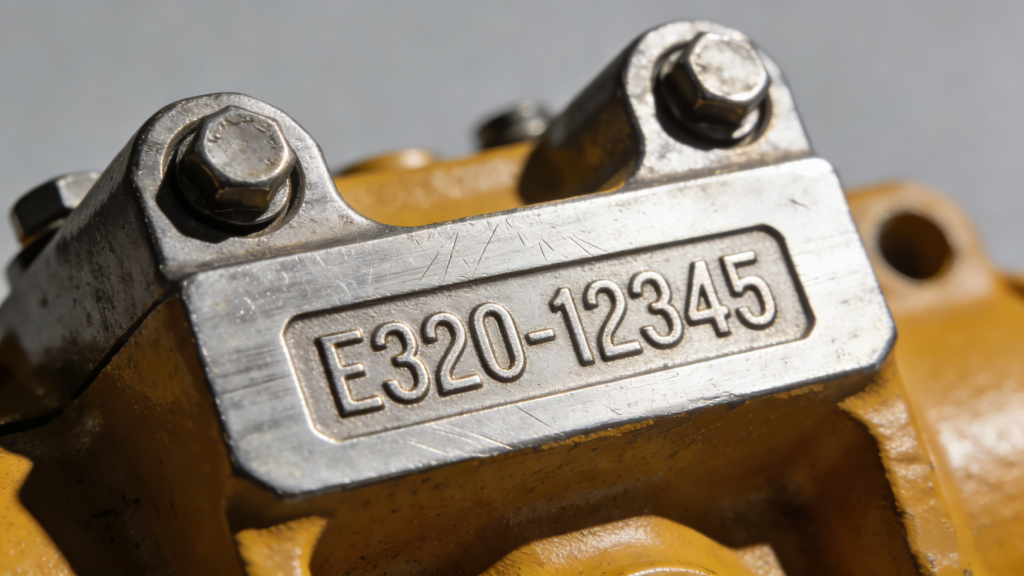
3. Part Number Accuracy: Each excavator accessory has a unique part number, which encodes key information such as accessory type, applicable model and specifications. For example, Caterpillar’s accessory numbers usually consist of 14-17 alphanumeric characters (such as 10R-8526), which can accurately locate the matching accessory. When purchasing or replacing, providing the complete part number can avoid mismatches.
4. Hydraulic System Compatibility: For hydraulic accessories (such as hydraulic hammers, tilt buckets and augers), it is necessary to strictly match the excavator’s hydraulic flow (GPM) and pressure (PSI) parameters. High-flow accessories cannot work normally on standard-flow machines, and using standard-flow accessories on high-flow machines will cause inefficiency and potential safety hazards. In addition, it is also necessary to confirm whether the excavator has the required auxiliary hydraulic functions.
5. Connection Method Matching: The connection methods of accessories (such as pin-on, quick coupler) must be consistent with the excavator. Quick couplers of different brands and models have different connection dimensions, so it is necessary to confirm the brand and model of the quick coupler when selecting accessories, and even provide serial numbers and photos for reference if possible.
It should be emphasized that even if the above conditions are met, it is not recommended to interchange accessories at will without professional verification. Some accessories (such as final drives and swing motors) may need minor fitting adjustments even if they are theoretically compatible. Blind interchange will not only reduce the service life of the equipment and accessories, but also bring serious safety hazards to the operation.
In the current market environment where efficiency and cost are emphasized, selecting the right matching accessories is the key to improving operational efficiency and reducing maintenance costs. For special cases that need to interchange accessories across tonnages, it is best to consult the official authorized dealer or professional technical personnel to ensure the safety and reliability of the equipment.
Follow us for more professional knowledge about excavator operation and maintenance, and help you maximize the value of your equipment!