The era of electric excavators is accelerating, reshaping the landscape of the construction machinery industry. As a professional in the construction machinery parts sector, understanding the changes in core components and mastering scientific selection methods is crucial to seizing market opportunities and maintaining competitive advantages. Unlike traditional fuel-powered excavators, electric models have undergone fundamental upgrades in core components, bringing both new challenges and development prospects to parts practitioners.
Core Component Shifts: From Fuel Power to Electric Drive
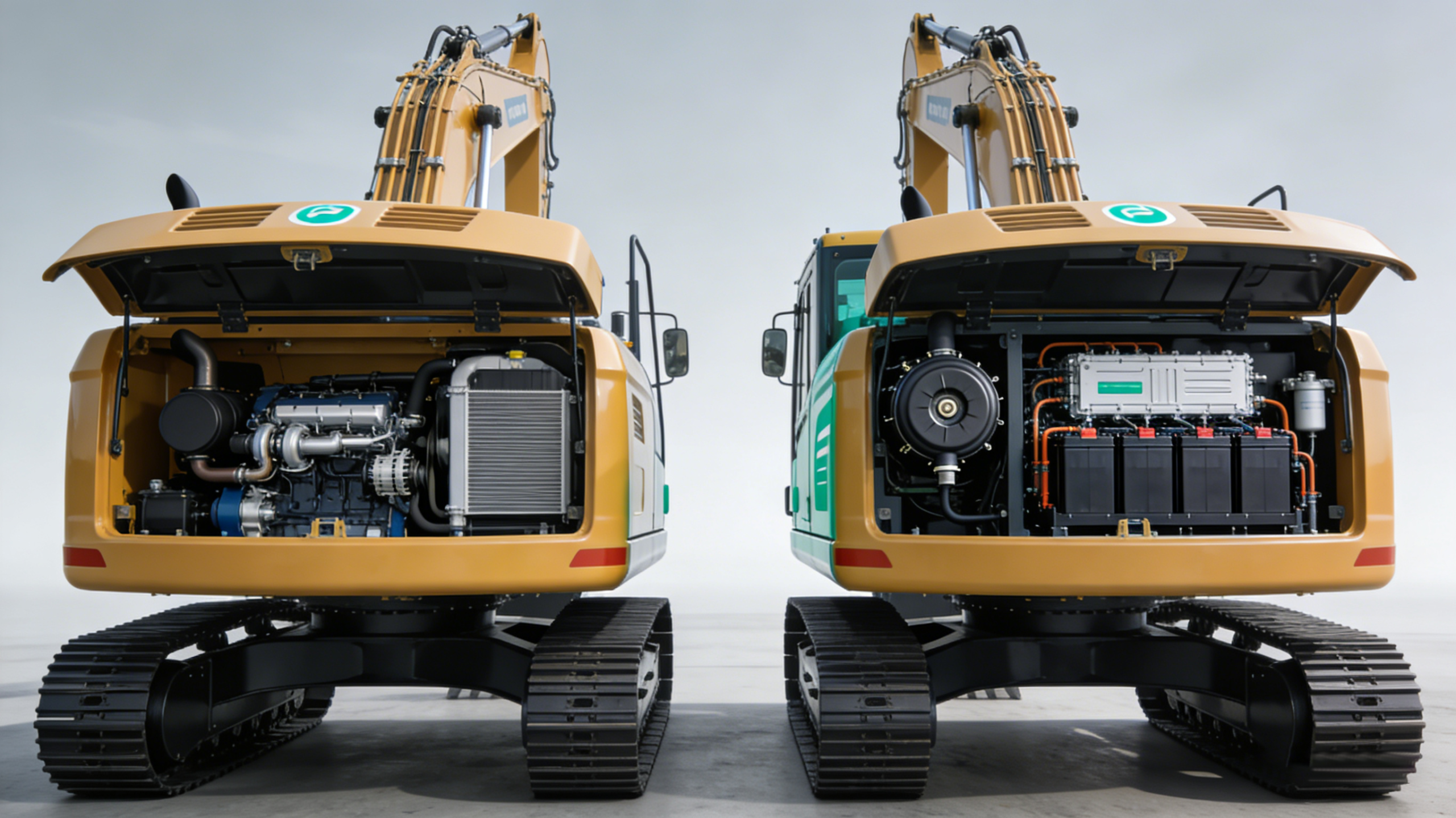
The core transformation of electric excavators lies in the replacement of the power system, which drives chain changes in related components. Compared with traditional fuel models, the following key components have significant upgrades or substitutions:
1. Power System: Engine → Electric Drive Motor
The internal combustion engine, the core of traditional excavators, is completely replaced by high-efficiency electric drive motors. These motors are specifically designed for heavy-duty working conditions, with the characteristics of high torque, low noise, and high energy conversion efficiency. For example, the Hitachi EX5600-7 electric excavator is equipped with two 860kW electric motors, providing powerful and stable power output for large-scale mining operations. Unlike ordinary industrial motors, electric excavator motors need to withstand harsh working environments such as high vibration, dust, and extreme temperatures, so they must meet strict protection level and durability requirements. In addition, the motor controller, as a supporting component, is responsible for regulating the motor’s speed and torque, which directly affects the excavator’s operation flexibility and energy consumption.
2. Energy Storage System: Fuel Tank → Power Battery Pack
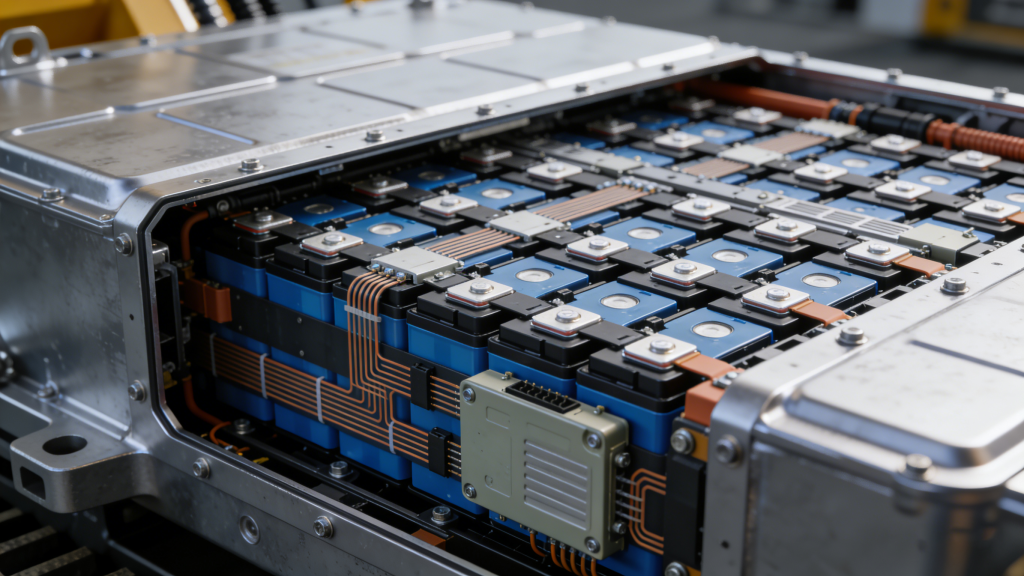
The fuel tank is replaced by a high-capacity power battery pack, which is the “energy core” of electric excavators. At present, lithium iron phosphate (LFP) batteries are the mainstream choice, featuring high safety, long cycle life, and strong environmental adaptability. Common specifications include 256V/105Ah, 322V/150Ah, etc., with total capacities ranging from 26.88kWh to 48.3kWh, supporting both AC and DC charging modes. The battery management system (BMS) is an indispensable supporting component, responsible for monitoring the battery’s state of charge, temperature, and voltage, preventing overcharging, over-discharging, and overheating, and ensuring the safe and stable operation of the battery pack. The thermal management system, including liquid-cooled plates and PTC heaters, also plays a key role in maintaining the battery’s operating temperature within the optimal range.
3. Control System: Mechanical Control → Intelligent Electronic Control
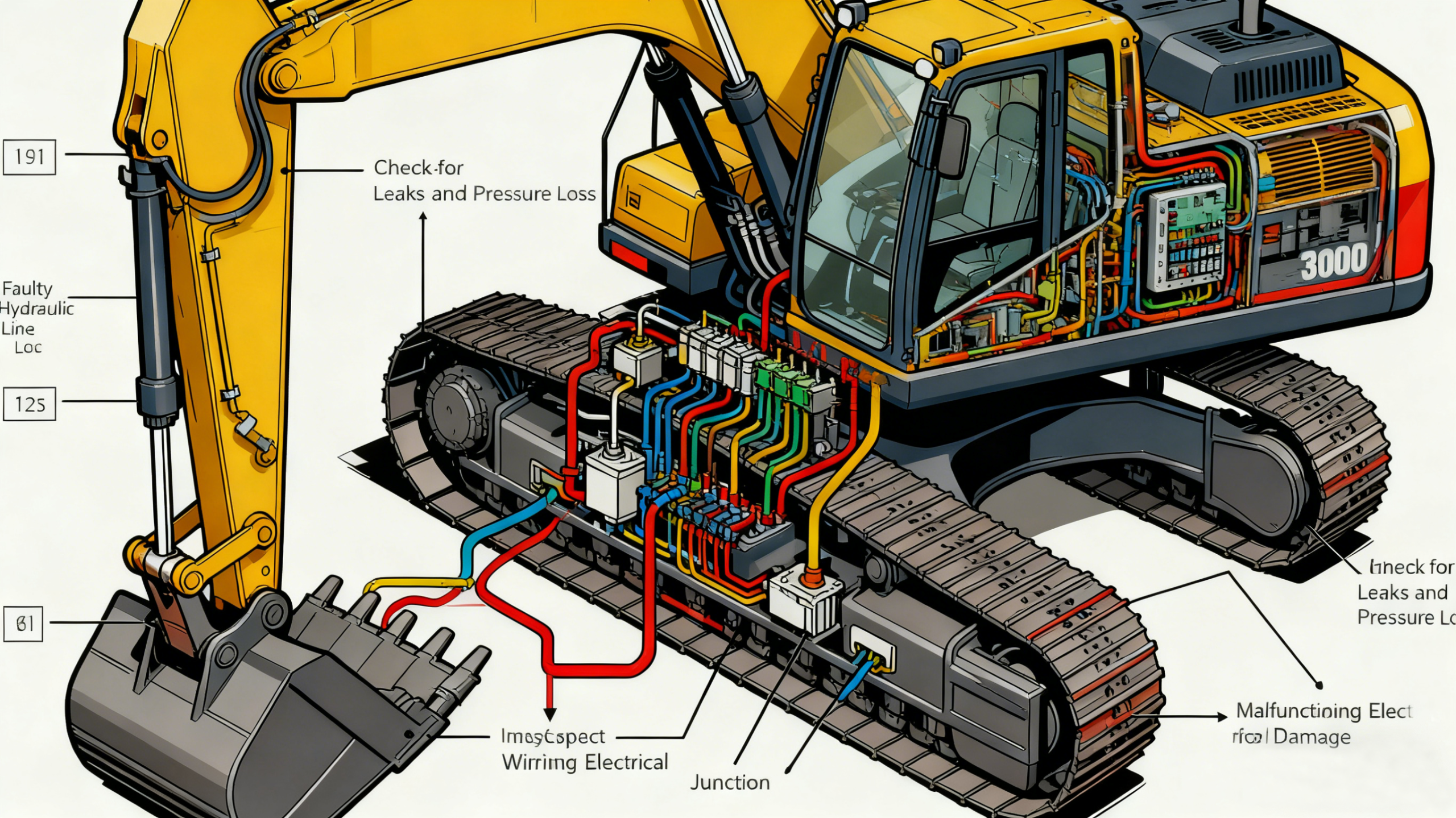
Electric excavators adopt an integrated electronic control system, replacing the traditional mechanical control mode, and realizing more precise and efficient operation control. The core components include the Vehicle Control Unit (VCU), which serves as the “brain” of the excavator, coordinating the work of the motor, battery, and hydraulic system. High-precision sensors (temperature, pressure, position, etc.) are widely used to monitor the operating parameters of various components in real time and transmit data to the VCU for processing. Some advanced models also adopt the SAE J1939 protocol to build an electronic control network, realizing full-link interconnection between the power system, hydraulic system, and operating system, and improving operation accuracy and work efficiency. In addition, intelligent accessories such as high-precision wiring harnesses and human-computer interaction displays have become standard configurations, with wiring harnesses requiring IP67 waterproof connectors to adapt to harsh construction environments.
4. Hydraulic System: Traditional Hydraulic → Electro-Hydraulic Integration
Although the hydraulic system is still an important part of electric excavators, it has been upgraded to adapt to the electric drive mode. The traditional hydraulic pump driven by the engine is replaced by an electric hydraulic pump, which can adjust the output flow according to the actual working conditions, reducing energy waste. At the same time, the hydraulic valve group is integrated with electronic control technology to form an electro-hydraulic proportional valve group, which realizes precise control of the hydraulic system and improves the coordination between the excavator’s actions. The demand for hydraulic components such as hydraulic cylinders still exists, but higher requirements are put forward for their precision and compatibility with the electronic control system.
5. Decline of Traditional Components
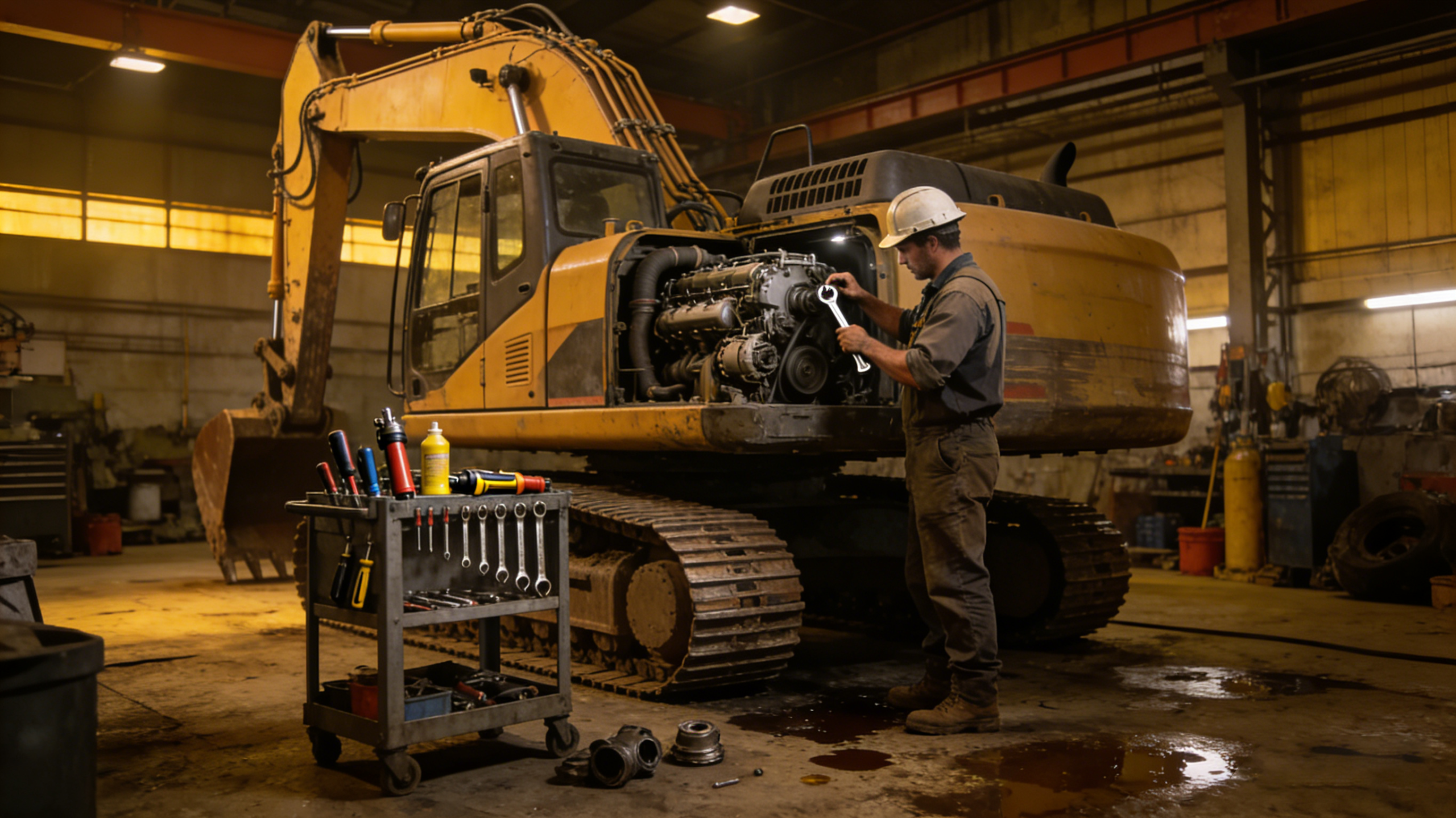
With the popularization of electric excavators, the demand for traditional components related to the internal combustion engine has dropped significantly, including the fuel injection system (injectors, high-pressure fuel pumps), exhaust system (turbochargers, EGR valves), post-treatment system (DPF, SCR urea pumps), starter motors, and mufflers. These components will gradually become non-mainstream, and parts practitioners need to adjust their inventory structure accordingly.
Key Selection Tips for Electric Excavator Core Components
For foreign construction machinery parts practitioners, selecting high-quality, compatible core components is the key to ensuring the performance and service life of electric excavators. The following points need to be focused on:
1. Prioritize Compatibility and Matching
Different brands and models of electric excavators have different requirements for core components. When selecting components such as motors, battery packs, and electronic control units, it is necessary to strictly match the excavator’s model, rated power, and working conditions to avoid performance degradation or safety hazards caused by mismatching. For example, the control system needs to be compatible with the excavator’s main control unit; engcon’s new DC3 control system, for example, is compatible with mainstream models such as Cat Next Gen hydraulic excavators and Volvo EML series, which can improve the adaptability of components.
2. Focus on Quality and Reliability
Electric excavators often work in harsh environments such as construction sites and mines, so core components must have high durability and corrosion resistance. When selecting motors, pay attention to their protection level (preferably IP67 or above) and insulation performance; when selecting battery packs, focus on their cycle life (generally not less than 3,000 cycles) and safety performance, and choose products with mature thermal management systems and BMS protection functions. For hydraulic components, select products with high precision and strong wear resistance to ensure long-term stable operation.
3. Comply with Regional Regulatory Standards
Different regions have different regulatory requirements for electric construction machinery components. For the European market, components need to comply with the IEC 60204-1 standard for electrical equipment of machines, and obtain CE marking in accordance with the EU Machinery Regulation (EU) 2023/1230 (to be implemented in January 2027). For the North American market, the motor and electronic control system need to meet the requirements of NFPA 79 (US) and C22.2 No. 301 (Canada), and the control panel needs to comply with UL 508A (US) and C22.2 No. 286 (Canada) standards. Ensuring that components meet regional standards is the prerequisite for entering the local market.
4. Pay Attention to Supplier Strength and After-Sales Service
Choose suppliers with strong R&D capabilities, mature production technology, and perfect after-sales service. Core components such as power battery packs and electronic control systems have high technical thresholds, and professional after-sales support (such as technical guidance, maintenance, and spare parts supply) is needed to solve problems encountered in use in a timely manner. At the same time, understand the supplier’s product certification and quality control system to ensure the stability and consistency of components.
5. Balance Cost and Energy Efficiency
While considering the cost of components, it is also necessary to focus on their energy efficiency. High-efficiency motors and battery packs can reduce the energy consumption of electric excavators, improve the working time per charge, and help end users reduce operating costs. For example, battery packs with high energy density and fast charging capabilities can improve the work efficiency of excavators, which is more favored by the market. Avoid blindly pursuing low prices and ignoring the energy efficiency and service life of components.
Conclusion: Seize the Electric Transformation Opportunity
The popularization of electric excavators is an inevitable trend in the green transformation of the construction machinery industry, and the upgrading of core components is the core driving force of this transformation. For foreign construction machinery parts practitioners, understanding the changes in core components, mastering scientific selection methods, and keeping up with the pace of technological development can help them seize market opportunities and achieve sustainable development.
Whether you are engaged in parts supply, maintenance, or R&D, grasping the core logic of electric excavator components is the key to standing out in the fierce market competition. Let’s embrace the electric era and work together to promote the innovation and development of the construction machinery parts industry!